Why “Starry Night?”
In April, two remarkable things happened that haven’t happened in a long, long while. (1) We sent astronauts back toward the moon, and (2) the world was briefly united around something spectacular.
Wonder, hope, and curiosity connected nearly every beating heart for 10 days when we looked to the sky or turned on the news to track the Artemis II mission, imagining the four vulnerable human bodies hurtling through the darkness of space, venturing further than any of our species had ever gone. For the first time in a protracted series of unprecedented events, we got to share a good one.
Of all the incredible images the Artemis II crew beamed back to us, the one that stood out most was an echo of an old one.
1968’s “Earthrise” became one of history’s most famous images after Apollo 8 caught a photo of Earth rising over the lunar horizon. Its release in a year marked by war, assassinations, and social unrest, is credited with helping spark the modern environmental movement, because in it, everyone could see our planet as the same fragile, borderless thing.
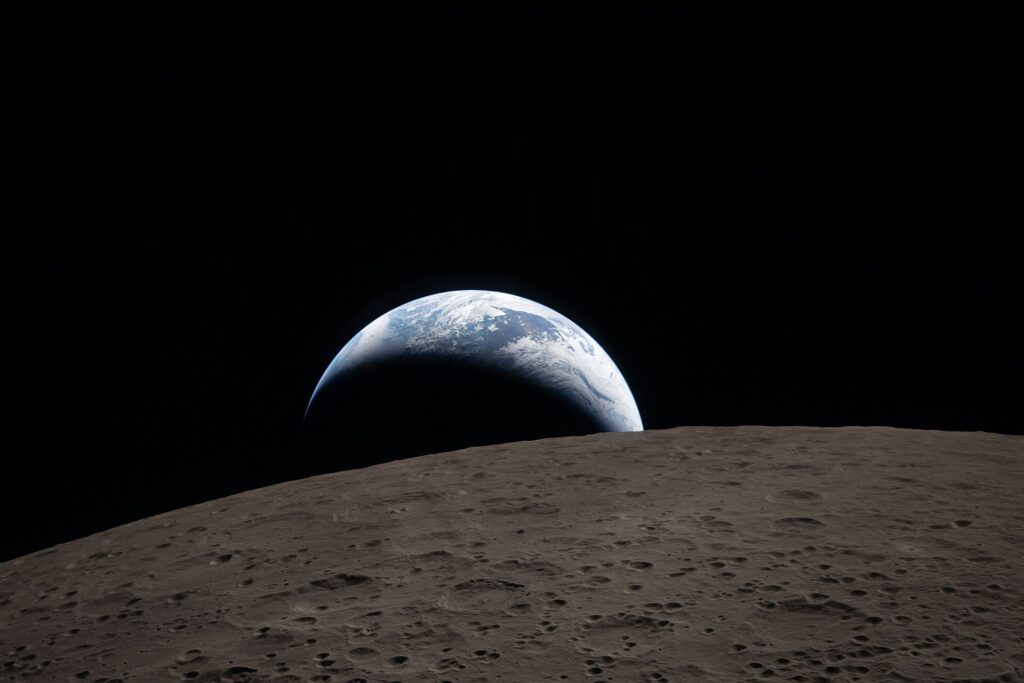
The Artemis II crew recreated the shot as their capsule passed behind the moon, capturing “Earthset.” It shows our planet as a thin, bright crescent slipping behind the barren lunar horizon. And like Apollo 8’s photo taken 58 years earlier, it landed in a moment that needed a reminder that the distance between us is smaller than we imagine, and the home we share more precious than we often remember.
The Artemis II crew recreated the shot as their capsule passed behind the moon, capturing “Earthset.” It shows our planet as a thin, bright crescent slipping behind the barren lunar horizon. And like Apollo 8’s photo taken 58 years earlier, it landed in a moment that needed a reminder that the distance between us is smaller than we imagine, and the home we share more precious than we often remember.
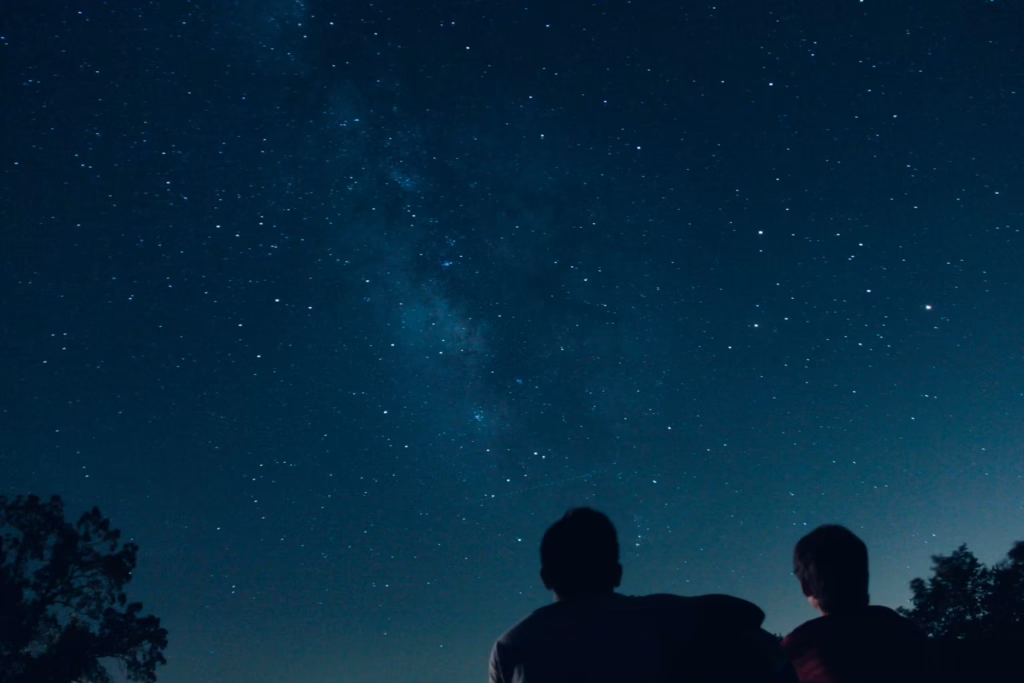
Looking out at the ocean or up at the night sky can make one feel small and insignificant: a feeling that is comforting to some and frightening to others. Weighed against the scale of the universe, we are inarguably, unimaginably tiny. The idea can be lonely. Yet even at this scale we are all connected, every one of us here on Earth, as part of one living, feeling, evolving story.
Millenia before humankind built rockets or even picked out constellations in the night sky, the Monarch Butterfly was already using celestial navigation to guide its annual migration. Through their compound eyes and tiny mechanisms in their antennae, they track the sun’s placement in the sky to find their way to a safe place to rest their wings. Like the butterfly, we rely on our stars to guide us towards a better future.
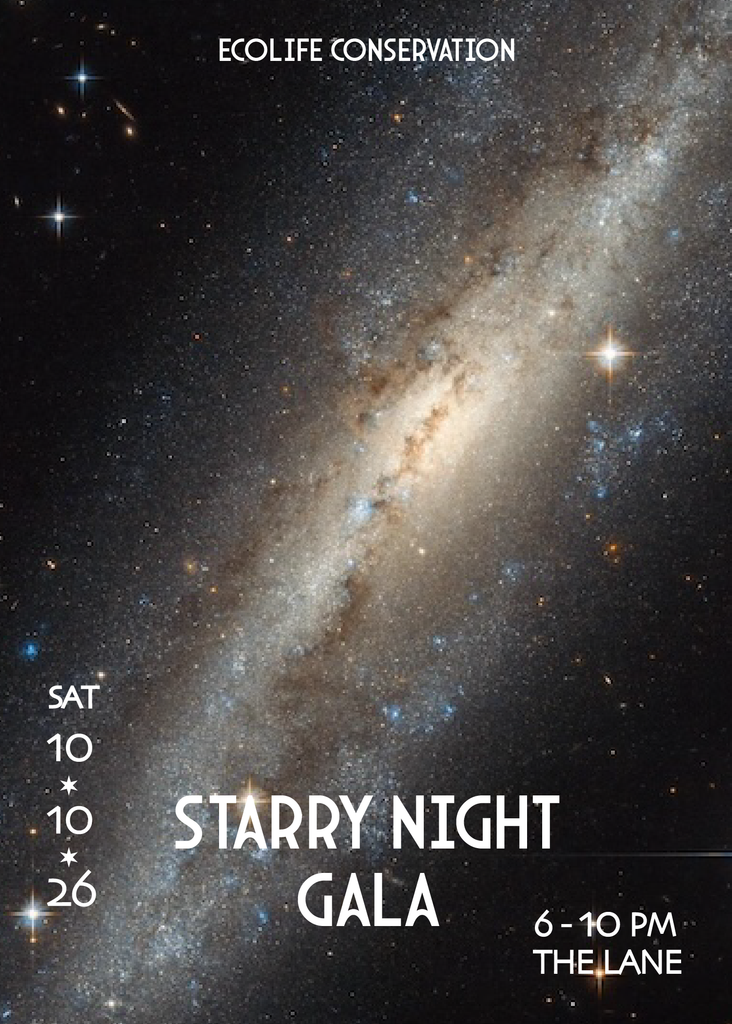
That’s why we chose the theme ‘Starry Night’ for this year’s gala. No single ticket, table, or gift carries a program by itself, but every supporter is a bright light. When we gather together, we become something spectacular that could not exist alone. Like the hundreds of thousands of minds and hands that worked together to get four astronauts around the moon and back, what we can accomplish is only possible because of the people who show up and the stars that light our way.
Thank you for being part of ECOLIFE. We hope to see you under the new moon in October. Tickets and sponsorships are available here.